Artificial Intelligence (AI) has become an integral part of our daily lives, often in ways we don't even realize. From the virtual assistants on our smartphones to personalized recommendations on streaming services, AI is seamlessly woven into the fabric of modern technology. The advancements in AI are not just about creating smart machines; they are about enhancing human capabilities and transforming industries. Understanding what AI is today requires a closer look at its various forms and applications.
At its core, AI involves the development of algorithms that can process large amounts of data to identify patterns, make decisions, and even predict future outcomes. This capability has led to breakthroughs in fields such as healthcare, where AI systems can analyze medical images with remarkable accuracy, assisting doctors in diagnosing diseases. In finance, AI algorithms can detect fraudulent transactions much faster than human analysts, helping to secure our financial systems. These real-world applications highlight the potential of AI to improve efficiency and accuracy across numerous sectors.
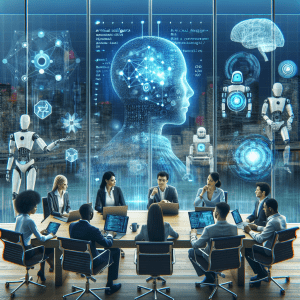
Moreover, AI today is increasingly about collaboration between humans and machines. Instead of replacing human jobs, AI often enhances them by taking over repetitive tasks, allowing workers to focus on more complex and creative aspects of their roles. For example, in manufacturing, AI-powered robots can work alongside human workers, improving productivity and workplace safety. This synergy between human intelligence and artificial intelligence fosters innovation and opens up new possibilities for creativity and development.
In the realm of natural language processing, AI has made significant strides, enabling machines to understand and respond to human language. Chatbots and voice assistants are now common, providing users with instant support and information. This technology not only improves customer service but also makes it easier for people to interact with machines in a more natural way. As AI continues to evolve, we can expect even more sophisticated interactions that blur the lines between human and machine communication.
Key Breakthroughs in AI Technology
Another significant advancement is the emergence of natural language processing (NLP). NLP enables machines to understand and interpret human language, making it possible for users to communicate with computers in a more intuitive way. Technologies like chatbots and virtual assistants rely on NLP to provide seamless interactions. This has transformed customer service and user experience across various industries, allowing businesses to address queries and concerns more effectively.
Reinforcement learning is yet another breakthrough that has gained traction. This type of machine learning uses a trial-and-error approach, where algorithms learn from their actions in real-time to achieve the best outcomes. Reinforcement learning has proven particularly effective in game-playing AI, where systems like AlphaGo have defeated world champions in complex games such as Go. This approach is also beginning to find applications in robotics and autonomous systems, paving the way for smarter machines that can adapt to dynamic environments.
Finally, advances in AI hardware have played a crucial role in enhancing processing capabilities. Specialized chips and graphics processing units (GPUs) have made it possible to execute complex algorithms much faster than before. This has not only accelerated the pace of research but also made AI solutions more accessible to a broader range of users and organizations. As AI technology continues to evolve, these breakthroughs lay the foundation for innovative applications that can improve our lives in remarkable ways.
The Impact on Daily Life
As artificial intelligence becomes woven into the fabric of our daily lives, the impact is clear and profound. From the moment we wake up to the time we go to bed, AI technologies influence our routines in ways we might not even notice. Smart home devices help us adjust our morning schedules, playing our favorite music or preparing our coffee just the way we like it. This seamless integration makes life more convenient and helps us save valuable time.
In the workplace, AI tools are transforming how we approach tasks. They can automate repetitive processes, leaving employees free to focus on more creative and strategic projects. With AI-driven analytics, businesses can make better decisions based on real-time data, improving productivity and efficiency. This shift is not just about making work easier; it’s also about enhancing job satisfaction, as workers engage in more meaningful activities rather than mundane ones.
The impact of AI extends beyond personal and professional realms; it influences our social interactions as well. With the rise of chatbots and virtual assistants, we find ourselves communicating with AI more frequently. Whether it’s asking for directions or engaging in customer support chats, AI often bridges gaps in our communication needs. This technology fosters a new kind of connection with the digital world, as we learn to navigate conversations with both humans and machines.
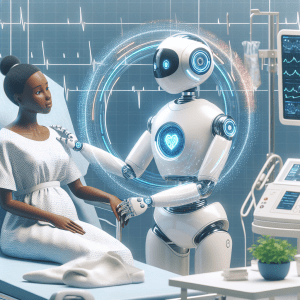
Moreover, AI has a significant role in healthcare, where it helps improve patient care and outcomes. From predictive analytics that identify potential health risks to personalized treatment plans powered by machine learning, AI is changing how we perceive and manage our health. This innovation brings hope for earlier diagnoses and tailored therapies, making healthcare more efficient and accessible to everyone.
Future Trends in AI Development
As we look towards the future of artificial intelligence, several exciting trends are beginning to take shape. One of the most notable is the increasing focus on ethical AI development. As AI systems become more integrated into our daily lives, the need for fairness, transparency, and accountability in AI algorithms is gaining importance. Developers and researchers are working hard to create guidelines and frameworks to ensure that AI technologies benefit everyone without bias.
Another significant trend is the rise of AI in personalized experiences. From tailored marketing to customized healthcare solutions, AI is poised to revolutionize how we interact with products and services. By analyzing vast amounts of data, AI can provide insights and recommendations that cater to individual needs, making our daily lives more efficient and enjoyable.
Moreover, the collaboration between AI and human intelligence is expected to deepen. Instead of replacing jobs, AI will increasingly serve as a powerful assistant, enhancing human capabilities and creativity. Industries such as healthcare, education, and manufacturing will benefit from this synergy, as AI tools help professionals make better decisions and improve productivity.
Finally, we can anticipate significant advancements in AI hardware and software, leading to faster and more capable AI systems. Improved cloud computing and specialized chips will allow for the handling of complex computations at unprecedented speeds. This will not only enhance existing AI applications but also pave the way for new innovations that we can only dream of today.